Service 7 Days a Week


Proudly Serving Central Maryland
Back to Blog
How to Protect Your Central Maryland Basement From Flooding as Spring Rains Arrive
Save Time, Call Prime!
Spring in Central Maryland brings a welcome change in temperature, but it also signals the arrival of heavy, saturating rains that put immense pressure on your home’s foundation. From Howard County to the Baltimore suburbs, the clay-rich soil in our region acts like a sponge, retaining moisture and creating hydrostatic pressure. This pressure forces groundwater through the tiniest imperfections in your basement walls or floor. Without a clear water management plan, a heavy spring afternoon can quickly turn into a costly restoration project.
In this guide, we will explore the essential steps to harden your basement against the elements. By addressing your drainage systems and interior defenses now, you can ensure your lower level remains dry and functional throughout the year’s wettest weeks.
Sump Pump Stewardship: Your First Line of Defense
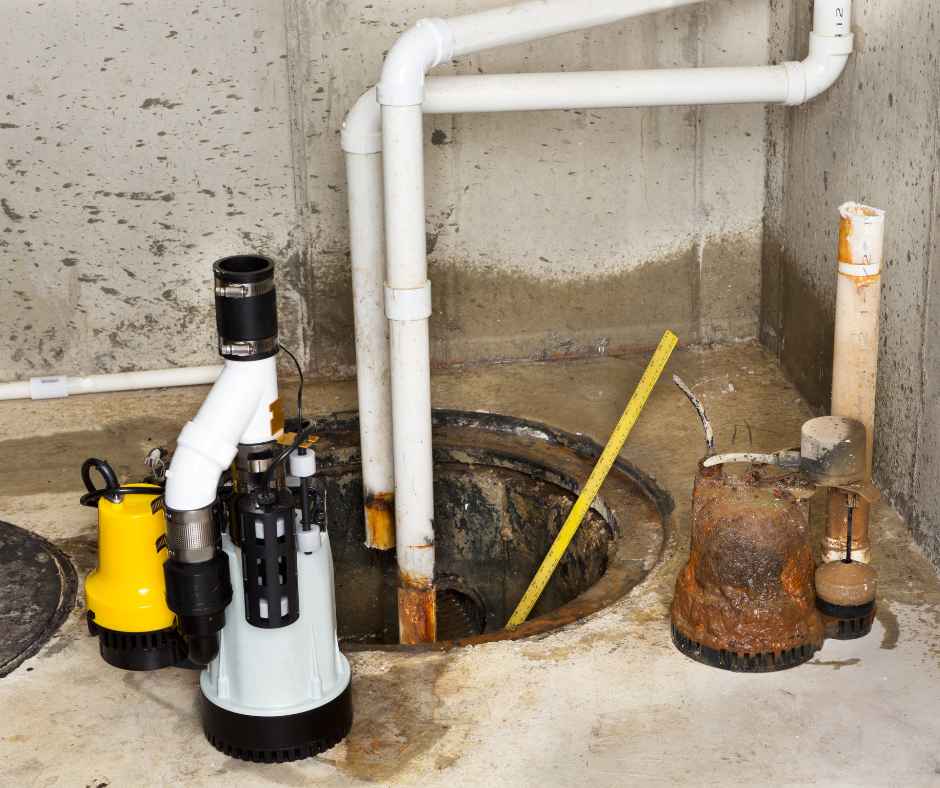
Your sump pump is the heart of your basement’s flood defense system. During a typical Central Maryland spring, this mechanical workhorse may cycle hundreds of times to move rising groundwater away from your foundation. However, many homeowners forget about the pump until they hear splashing water where it shouldn’t be. A proactive maintenance check in early March is the most effective way to ensure the unit does not fail as the water table rises. A pump that hums but doesn’t move water, or one that vibrates excessively, is a signal that the internal impeller is clogged or damaged.
A thorough inspection involves more than just plugging the unit in to see if it turns on. You must also evaluate the operating environment. Sediment and debris often settle at the bottom of the sump pit over the winter, which can eventually find its way into the pump’s intake. Cleaning this area ensures the motor doesn’t have to work overtime to overcome a blockage. A professional plumbing inspection can also verify that the check valve is functioning properly, preventing water that has already been pumped out from flowing back into the pit when the motor stops.
- Debris Removal: Clear out stones, mud, and gravel from the sump pit to prevent intake clogs.
- Float Mechanism Test: Lift the float manually or pour a bucket of water into the pit to ensure the switch triggers the motor immediately.
- Inlet Screen Cleaning: Scrub the mesh screen on the bottom of the pump to maximize water intake speed.
- Check Valve Inspection: Verify that water flows in only one direction to prevent pump cycling.
- Discharge Line Verification: Ensure the exterior pipe is clear of leaves and isn’t blocked by mulch or landscaping fabric.
Regularly testing your pump every few months is a small time investment that pays massive dividends in peace of mind. Many pumps have a lifespan of about seven to ten years, but the high-demand environment of a Maryland spring can shorten that window. If your pump struggles to keep up with a standard rainstorm, it is a strong indicator that it lacks the horsepower required for a major deluge. Upgrading to a high-capacity cast-iron model provides the durability needed to withstand the sustained pressure of regional groundwater surges.
The Importance of Battery Backup Systems During Spring Storms
Central Maryland is no stranger to severe spring thunderstorms that can knock out local power grids for hours. Unfortunately, the moment you need your sump pump most is often when electricity is least reliable. If your home relies on a single, corded pump, a power outage during a downpour means your basement is effectively defenseless. Installing a high-quality battery backup system is a critical insurance policy for your home. These secondary systems serve as a redundant layer of protection, taking over when the primary pump loses power or becomes overwhelmed by high water volume.
Modern backup systems are significantly more advanced than the simple batteries of the past. Many now include smart monitoring features that send alerts to your smartphone when the backup system is activated or battery health declines. This transparency is invaluable for homeowners who travel or work away from home during the day. Having a secondary pump also provides a “safety net” if the primary pump’s mechanical switch fails. By splitting the workload between two independent units, you vastly reduce the risk of a catastrophic basement flood.
- Automatic Activation: The backup system should activate immediately when water levels reach a specified threshold, regardless of power status.
- Battery Longevity: Look for deep-cycle batteries designed to run a pump for several hours of continuous operation.
- Smart Alerts: Integrated Wi-Fi alarms can notify you of power failures or high-water events in real time.
- Dual-Pump Benefits: If the primary pump’s motor fails, the backup pump can handle the load until the primary is repaired.
- Regular Maintenance: Test the backup monthly by unplugging the primary unit and filling the pit with water.
While the initial cost of a backup system is higher than that of a standard pump, the cost of remediating a flooded basement can easily reach tens of thousands of dollars. When you consider the value of finished drywall, carpeting, and stored belongings, the investment in a backup system is one of the most cost-effective upgrades you can make to your home. At Prime Plumbing, we recommend a dual-pump system for any home in our service area with a history of water intrusion. It is the only way to ensure your basement stays dry when the Maryland sky turns dark and the power goes out.
Managing Surface Water: Gutters, Downspouts, and Grading
Preventing a basement flood begins long before the water reaches your foundation. The goal of any effective flood prevention strategy is to move as much surface water as possible away from the footprint of the house. In Central Maryland, where many neighborhoods are built on rolling hills, improper grading can cause rainwater to funnel directly toward your basement walls. If the ground around your home slopes inward, even the best waterproofing system will eventually be tested. Correcting the “negative grade” by adding soil and ensuring a gentle slope away from the foundation is a primary defense against saturation.
Your gutter system serves as a high-capacity collection system for your roof, and if it isn’t functioning properly, it becomes a liability. Clogged gutters cause water to overflow and cascade down the side of your home, saturating the soil exactly where you want it to stay dry. Furthermore, many homes have downspouts that terminate too close to the foundation. This simply concentrates the water in one spot, increasing the hydrostatic pressure against your basement. Extending your downspouts at least ten feet away from the home, or connecting them to underground drainage pipes, is one of the most impactful changes you can make.
- The 10-Foot Rule: Ensure all downspouts discharge water at least ten feet away from the foundation to prevent recirculation.
- Gutter Clearance: Clean all debris twice a year to prevent overflow that can wash out the soil near your home.
- Soil Selection: Use clay-rich soil for grading near the house, as it sheds water more effectively than loose, sandy topsoil.
- Splash Blocks: Use concrete or plastic blocks at the end of downspouts to prevent soil erosion and keep water moving.
- Window Well Integrity: Inspect basement window wells for debris and ensure they have functional drains or clear covers.
By managing the flow of water on the surface, you significantly reduce the amount of work your sump pump has to perform. A well-graded yard acts like an umbrella for your basement, diverting the majority of the spring rainfall into the lawn or toward municipal storm drains. If you notice persistent puddles near your foundation after a rain, it is a clear sign that your drainage system is failing. Addressing these exterior issues is a low-tech but highly effective way to fortify your home against the seasonal Maryland rains.
Identifying and Sealing Foundation Cracks Before the Saturation
As homes age, concrete foundations in Maryland often develop hairline cracks due to soil expansion and contraction. While these cracks may seem insignificant during the dry summer months, they become high-pressure entry points for groundwater during a spring storm. When the soil becomes saturated, water seeks the path of least resistance. A small fracture in a basement wall or floor can allow hundreds of gallons of water to seep into your home over the course of a single day. Sealing these gaps before the heavy rains arrive is a vital part of a comprehensive waterproofing strategy.
Not all cracks are created equal, and knowing which ones require professional attention is key. Small, vertical hairline cracks are often the result of settling and can frequently be managed with high-quality waterproof sealants or hydraulic cement. However, horizontal cracks or significant wall bowing indicate structural stress and require an expert’s assessment. By walking through your basement with a flashlight in late winter, you can identify these “weak spots” and treat them with an epoxy injection or a specialized masonry coating. This creates an airtight and watertight barrier that can withstand the pressure of the rising spring water table.
- Hydraulic Cement: This material expands as it dries, making it ideal for filling active leaks or deep cracks in concrete.
- Epoxy Injection: Professional-grade epoxy can bond the concrete back together, restoring structural integrity while preventing water intrusion.
- Waterproof Coatings: Apply a thick, silicate-based sealer to interior walls to prevent moisture from seeping through porous concrete.
- Mortar Joint Inspection: For homes with cinder block foundations, check the mortar joints for signs of crumbling or “efflorescence” (white salty powder).
- Floor Sealants: Don’t forget the floor-to-wall joint, as it is the most common area for water intrusion.
Treating these issues from the inside is often a temporary solution if the exterior drainage isn’t addressed, but it provides a critical second layer of protection. A dry basement is not just about comfort: it is about protecting the structural skeleton of your home. When water enters through cracks, it can eventually lead to the rusting of steel reinforcements and the growth of mold behind your walls. Taking a few hours to seal your foundation in early spring helps ensure your home remains a solid, dry sanctuary, regardless of how much rain falls in Maryland.
Sewer Backup Prevention: The Value of Backwater Valves
While groundwater is a common cause of basement flooding, a sewer backup is a significantly more hazardous and unpleasant event. During extreme spring storms in Central Maryland, the municipal sewer systems can become overwhelmed by the massive influx of rainwater. This can push sewage back through the service lines and into your basement via floor drains, toilets, or sinks. Unlike a clean water leak from a sump pump failure, a sewer backup introduces contaminants into your home that require professional hazardous material remediation.
The most effective defense against this scenario is installing a backwater valve. This device is installed in your main sewer line and functions as a one-way street. It allows wastewater to flow out of your home normally, but it features a floating flap that automatically seals the pipe if it detects water flowing in the wrong direction. For homes in low-lying areas or connected to older municipal systems in cities such as Annapolis or Baltimore, a backwater valve is an essential component of a modern plumbing system.
- One-Way Protection: The valve automatically blocks reverse flow without requiring a power source or manual intervention.
- Visual Inspection: Most valves have a clear cover that allows you to easily check for debris or verify that the flap moves freely.
- Hazard Prevention: Blocks the entry of raw sewage and contaminated rainwater during municipal system surges.
- Insurance Advantages: Some homeowner’s insurance policies provide premium discounts for properties with documented backwater protection.
- Peace of Mind: Provides a final line of defense if both your exterior drainage and sump pump systems are put to the ultimate test.
At Prime Plumbing, we emphasize that flood prevention is a multi-layered approach. While your sump pump handles the water from the ground, a backwater valve handles the water from the pipes. Ensuring that your sewer line is clear of tree roots and other obstructions is also a key part of this prevention. By combining mechanical protection with regular professional inspections, you can virtually eliminate the risk of a messy and expensive sewer backup during the volatile Maryland spring.
Securing Your Home with Prime Plumbing
Protecting your basement from the unpredictable Maryland spring requires a combination of vigilance and professional expertise. From maintaining your sump pump to ensuring your yard is graded for success, every step you take today is an investment in the longevity of your home. We understand that a dry basement is more than just a convenience: it is the foundation of your family’s safety and comfort. By being proactive, you can enjoy the beauty of the spring season without the constant fear of the next big storm.
Our team at Prime Plumbing is ready to help you prepare your home for whatever the weather has in store. Whether you need a high-capacity sump pump installation, a battery backup upgrade, or a comprehensive sewer line inspection, we bring the local knowledge and technical skill required to keep your basement dry. Contact us today to schedule your spring flood-prevention evaluation and protect your home against the elements.
Frequently Asked Questions
Why does my sump pump run even when it hasn’t rained recently?
In many parts of Central Maryland, the water table remains high long after the rain stops. The clay soil retains moisture and continues to feed into your sump pit through the drainage tiles. If your pump runs constantly, it is simply doing its job to keep the groundwater level below your basement floor.
Is it normal to see “sweating” on my basement walls in the spring?
Condensation on walls is common when warm, humid spring air hits the cool concrete of your basement. While this isn’t technically “flooding,” it can lead to mold issues. Improving ventilation or using a high-capacity dehumidifier can manage this moisture, but make sure to check for actual seepage behind the “sweat.”
How long does a sump pump battery backup actually last?
Most battery backups are designed to run a pump for several hours of continuous use or several days of intermittent cycling. The exact duration depends on the battery age and the volume of water being moved. We recommend replacing the battery every three to five years to ensure it holds a full charge.
Can I install a backwater valve myself?
Installation of a backwater valve requires cutting into your main sewer line and ensuring the valve is placed at the correct pitch and orientation. Because a mistake can cause a complete sewer blockage, we strongly recommend that a licensed plumber perform the installation to ensure compliance with local building codes.
Will a French drain solve my basement flooding issues?
A French drain is an excellent solution for managing subsurface water. It collects water in a perforated pipe and directs it to a sump pump or a lower area of your property. While highly effective, it should be part of a larger strategy that includes proper grading and gutter maintenance.
WHAT TO EXPECT
The Difference With Prime
Get a FREE second opinion on water and sewer service, and septic repair/replacements!
Don’t Just Take Our Word for it
More Reviews

Why Choose Prime Plumbing?
Professional Services at an Affordable Price
- Transparent Pricing
- No Additional Charges for Overtime
- Flexible Financing Solutions
- Thorough Employee Background Checks
- Complimentary Second Opinions
Learn More