Service 7 Days a Week

Proudly Serving Central Maryland
Back to Blog
Why Freezing Winter Temperatures Crack Aging Pipes in Central Maryland
Save Time, Call Prime!
Winter temperatures in Central Maryland can seriously challenge residential plumbing systems, especially in homes with aging pipes. When temperatures drop below freezing, exposed plumbing may develop ice blockages that increase pressure inside the pipes, potentially causing cracks, leaks, or complete ruptures.
For homeowners in Howard County, Anne Arundel County, and surrounding communities, older plumbing can introduce additional concerns. Years of corrosion, deteriorating connections, and previous repairs may leave certain sections more vulnerable when freezing conditions arrive.
In this guide, we’ll explain why pipes crack in freezing weather, how aging plumbing increases winter damage risk, and what Central Maryland homeowners can do to protect their plumbing systems.
What Happens Inside Your Pipes When Temperatures Drop Below Freezing?
When temperatures drop below freezing, water in exposed plumbing can begin to freeze. Because ice takes up more space than liquid water, freezing can put significant stress on plumbing pipes.
However, pipes don’t always rupture simply because ice expands against their walls. A common cause of frozen pipe failure is pressure buildup from unfrozen water trapped between an ice blockage and a closed faucet or other restriction.
As freezing continues, pressure can increase until a vulnerable section of pipe cracks or bursts. The damage may occur away from the original ice blockage, making it hard to identify without professional help.
Several conditions influence freezing risk:
-
Outdoor temperature: Prolonged freezing weather increases the likelihood that exposed pipes will freeze.
-
Pipe location: Plumbing in unheated areas is more vulnerable to cold temperatures.
-
Insulation: Inadequate insulation lets pipes lose heat faster.
-
Air movement: Cold drafts can accelerate freezing around exposed plumbing.
-
Water flow: Water sitting inside vulnerable pipes may freeze during extended cold periods.
A frozen pipe may not leak immediately because ice can temporarily restrict water movement. Once the blockage begins thawing, water may escape through an existing crack and cause significant damage.
Why Aging Plumbing Pipes May Be More Vulnerable to Winter Damage
Older plumbing systems can develop weaknesses that make freezing conditions particularly concerning. Over time, corrosion, deteriorating joints, and previous repairs may affect the structural condition of certain pipes.
However, age alone doesn’t determine whether a pipe will freeze or burst. Newer plumbing can also experience freeze-related damage when installed in areas exposed to sufficiently cold temperatures.
Different pipe materials have their own characteristics:
-
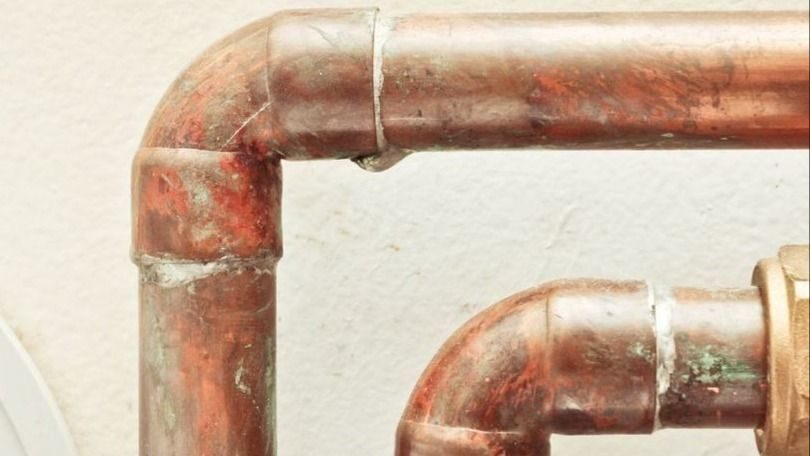
Copper pipes: These rigid metal pipes can split when freezing creates excessive internal pressure.
-
Galvanized steel pipes: Older galvanized plumbing may corrode internally, restricting water flow.
-
PEX piping: Flexible tubing may tolerate some expansion better than rigid materials, but it can still suffer freezing damage.
-
CPVC piping: Rigid plastic plumbing can crack under stress from freezing.
Existing corrosion or weakened connections may reduce a section’s ability to handle abnormal pressure. Plumbing that has experienced repeated leaks or previous damage may also warrant closer inspection before winter.
A professional evaluation can help determine whether aging pipes remain serviceable or require repairs to reduce future problems.
Which Pipes Are Most Likely to Freeze in Central Maryland Homes?
Not every pipe inside a home faces the same freezing risk. Plumbing location, insulation, and exposure to outdoor air often matter more than the pipe’s age.
Central Maryland experiences winter temperature fluctuations, including freezing nights and occasional prolonged cold spells. These conditions can expose vulnerable plumbing in areas that receive little heat from the home’s heating system.
Common problem areas include:
-
Crawl spaces: Unheated crawl spaces may expose plumbing to freezing temperatures.
-
Exterior walls: Pipes near poorly insulated exterior walls can get unusually cold.
-
Garages: Plumbing in attached or detached garages may lack adequate protection.
-
Unheated basements: Pipes near exterior openings or drafty areas can freeze.
-
Outdoor faucets: Hose connections and exterior water lines are vulnerable without proper winterization.
-
Utility spaces: Plumbing in areas with limited heating may require additional insulation.
Homes throughout Howard County, Anne Arundel County, and neighboring communities vary in construction age and plumbing design. Some properties may have older piping in vulnerable locations, while newer homes may also have exposed plumbing that needs protection.
Identifying these areas before temperatures drop helps homeowners take preventive action.
Warning Signs Your Pipes May Be Freezing or Developing Cracks
Frozen pipes don’t always produce obvious warning signs before damage occurs. In some cases, the first indication is reduced water flow from a faucet or an unexpected plumbing leak.
If a faucet suddenly produces only a trickle during freezing weather, ice may be restricting the water supply. However, reduced pressure can also result from other plumbing problems, making proper diagnosis important.
Warning signs to watch for include:
-
Reduced water flow: A faucet delivers significantly less water than normal.
-
Visible frost: Exposed pipes develop frost or ice on their exterior surfaces.
-
Unusual plumbing noises: Changes in water movement may produce unfamiliar sounds.
-
Water stains: Discoloration on walls or ceilings may indicate a hidden leak.
-
Unexpected moisture: Damp areas around pipes or plumbing fixtures may suggest damage.
-
Sudden pressure changes: Water pressure drops unexpectedly in one or more fixtures.
A cracked pipe may begin leaking only after frozen water thaws. This is why homeowners should remain alert for moisture or unusual plumbing behavior even after temperatures rise.
If you suspect a frozen or damaged pipe, don’t force water through the system or attempt repairs that could worsen the problem.
What Should You Do If You Suspect a Frozen or Cracked Pipe?
Quick action can reduce water damage when a pipe freezes or leaks. The appropriate response depends on whether water is actively escaping and whether the affected area is safe to access.
If a pipe has cracked or burst, shut off the home’s main water supply immediately when it is safe to do so. This can prevent additional water from entering the damaged section and reduce flooding.
Homeowners should follow several important precautions:
-
Locate the main shutoff valve: Know how to stop water entering the home.
-
Avoid electrical hazards: Stay away from standing water near outlets, appliances, or electrical equipment.
-
Never use open flames: Torches and other direct flame sources create serious fire hazards.
-
Avoid excessive heat: Improper thawing methods can damage pipes and surrounding materials.
-
Contact a plumber: Seek professional help if you suspect damage or a significant blockage.
If a pipe appears frozen but hasn’t burst, keep the affected faucet open only if it is safe and appropriate, and seek professional guidance. Avoid thawing inaccessible pipes or using electrical heating devices in wet conditions.
If water is leaking through walls or ceilings, protect nearby belongings when safe and document visible damage. Significant flooding may also require professional water damage restoration.
How to Protect Aging Pipes From Freezing Temperatures
Preventative winter plumbing maintenance can help reduce the risk of frozen and burst pipes. Central Maryland homeowners should prepare vulnerable plumbing before extended freezing conditions arrive.
The most effective approach is to limit exposure to cold air while keeping water supply lines warm enough. Insulation, air sealing, and proper winterization can all help protect your plumbing.
Consider these preventative steps:
-
Insulate exposed plumbing: Add appropriate pipe insulation in crawl spaces, garages, and other vulnerable areas.
-
Seal cold-air leaks: Address drafts around plumbing penetrations, foundation openings, and exterior walls.
-
Disconnect outdoor hoses: Remove hoses and winterize exterior faucets as the manufacturer directs.
-
Maintain indoor heating: Keep your home adequately heated during freezing weather, including when traveling.
-
Open cabinet doors when appropriate: Allow warm indoor air to reach plumbing along exterior walls.
-
Locate your main shutoff valve: Make sure household members know how to stop the water during an emergency.
-
Schedule plumbing inspections: Have aging or previously damaged pipes evaluated before winter.
During particularly cold weather, letting a small amount of water flow from vulnerable fixtures may reduce freezing risk, as your water utility recommends. However, this approach doesn’t guarantee protection and shouldn’t replace proper insulation or other preventative measures.
Homeowners should also address existing plumbing leaks before winter. Small problems can become more disruptive when freezing temperatures place additional stress on vulnerable pipes.
When Should Older Pipes Be Repaired or Replaced?
Not every aging pipe needs replacement simply because winter is approaching. Many plumbing systems can remain functional for years with proper maintenance and protection from freezing conditions.
However, recurring leaks, extensive corrosion, and deteriorating connections may mean certain sections need more than routine maintenance. A professional plumber can assess whether isolated repairs or a broader replacement offers better long-term reliability.
Pipe repair may be appropriate when damage is limited to a specific section and the surrounding plumbing remains in good condition. Replacing a damaged fitting or short section of pipe may restore reliable operation without extensive work.
More comprehensive replacement may be worth considering when:
-
Multiple leaks develop throughout the plumbing system.
-
Significant corrosion affects several pipe sections.
-
Widespread internal deterioration causes water pressure problems.
-
Previous repairs haven’t resolved recurring plumbing failures.
-
Existing pipe materials or conditions create ongoing reliability concerns.
Whole-home repiping isn’t automatically necessary for every older property. A professional assessment can help determine whether targeted repairs, partial replacement, or a larger plumbing upgrade is appropriate.
Protect Your Central Maryland Home With Prime Plumbing
Freezing winter temperatures can create serious problems for residential plumbing, particularly when aging pipes already show signs of deterioration. Understanding how freezing causes pressure buildup and identifying vulnerable plumbing areas can help homeowners reduce the risk of unexpected leaks.
While older pipes may have existing weaknesses, proper insulation, winter maintenance, and timely repairs matter for plumbing systems of any age. Addressing concerns before temperatures drop can help prevent water damage and costly emergency repairs.
At Prime Plumbing, we understand the challenges winter weather creates for homeowners throughout Central Maryland. Our team can evaluate aging plumbing, identify vulnerable pipe sections, and recommend appropriate repairs or replacement options based on your home’s condition.
Whether you’re concerned about frozen pipes, recurring leaks, or deteriorating plumbing, professional guidance can help you prepare for colder weather. Contact Prime Plumbing today to schedule plumbing inspections, frozen pipe repairs, or pipe replacement services to help protect your Central Maryland home this winter.
WHAT TO EXPECT
The Difference With Prime
Get a FREE second opinion on water and sewer service, and septic repair/replacements!
Don’t Just Take Our Word for it
More Reviews
Why Choose Prime Plumbing?
Professional Services at an Affordable Price
- Transparent Pricing
- No Additional Charges for Overtime
- Flexible Financing Solutions
- Thorough Employee Background Checks
- Complimentary Second Opinions
Learn More